
Let’s clear up the confusion and explore why rust can form — and how to remove it safely and effectively.
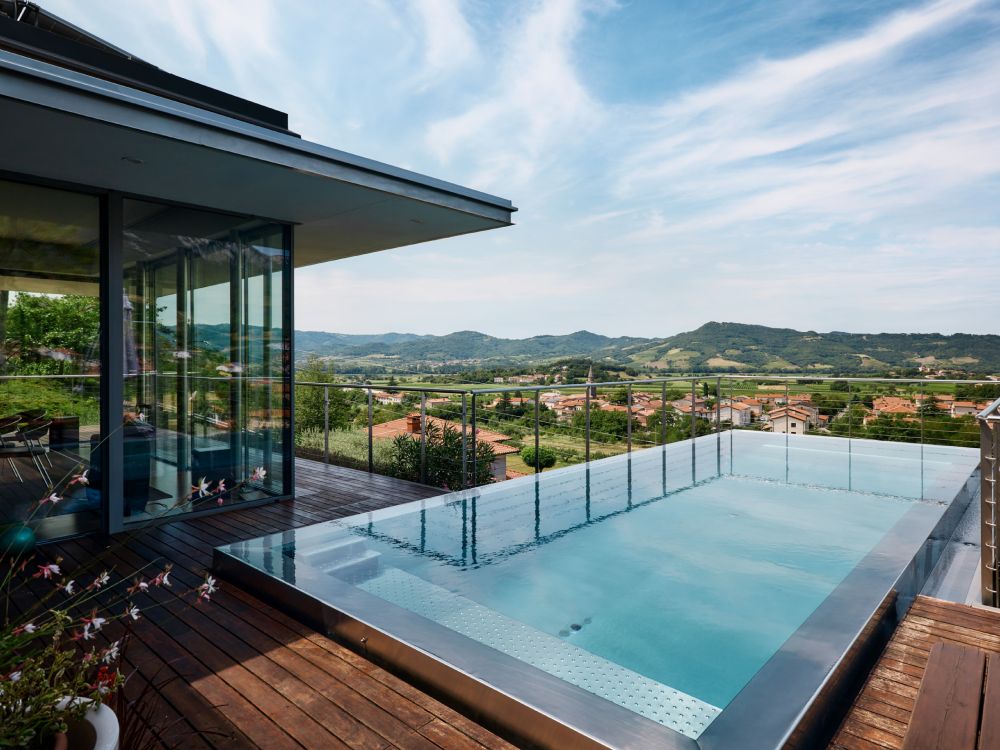
Why Rust Appears on Stainless Steel
There are many misunderstandings about rust formation on stainless steel surfaces. In order to understand this paradox, we need to first delve into some underlying facts about metals and steel. When metals are exposed to oxygen (from air or water), they tend to lose electrons (oxidation) and that is how rust is formed. In many cases, when such oxides are dense enough, adherent, and stable, that oxide layer (rust) will protect the metal surface from further degradation.
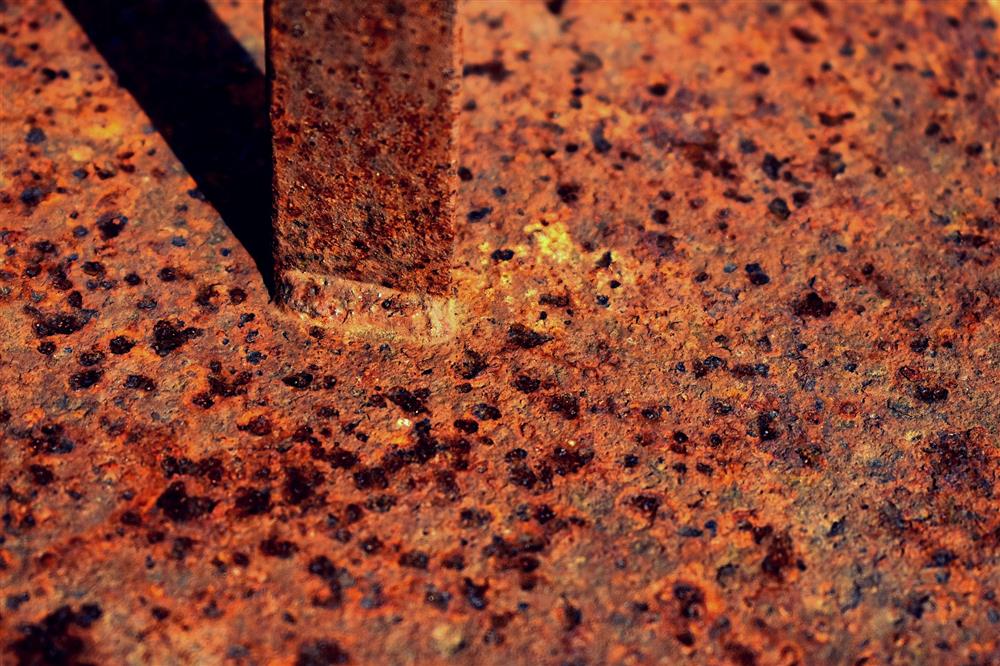
Image is for reference only.
It's important to note that stainless steel is corrosion-resistant, though not entirely rustproof. The stainless steel surface is protected by a thin, invisible chromium oxide (Cr₂O₃) layer. However, this passive layer can be compromised under certain pool conditions:
- Presence of calcium hypochlorite (usually used as chlorine disinfectant), which is a strong oxidizer. When the water level drops and concentrated droplets or splashes dry on the metal surface, it can lead to localized attacks on the protective layer.
- High chloride ion concentration. Chloride ions (Cl⁻) from pool salts or disinfectants can penetrate microscopic defects in the passive layer and cause pitting corrosion — visible as small brown dots.
- Air–water interface exposure. Areas alternating between wet and dry (e.g. waterline or splash zones) are particularly vulnerable, as the oxygen from the air and the chlorides from the water create ideal conditions for localized corrosion.
Pitting corrosion is not an unusual phenomenon when dealing with stainless steel. While it may spoil its appearance, it doesn’t affect the structural integrity of the steel. However, it’s best to treat it sooner rather than later in order to preserve the surface.
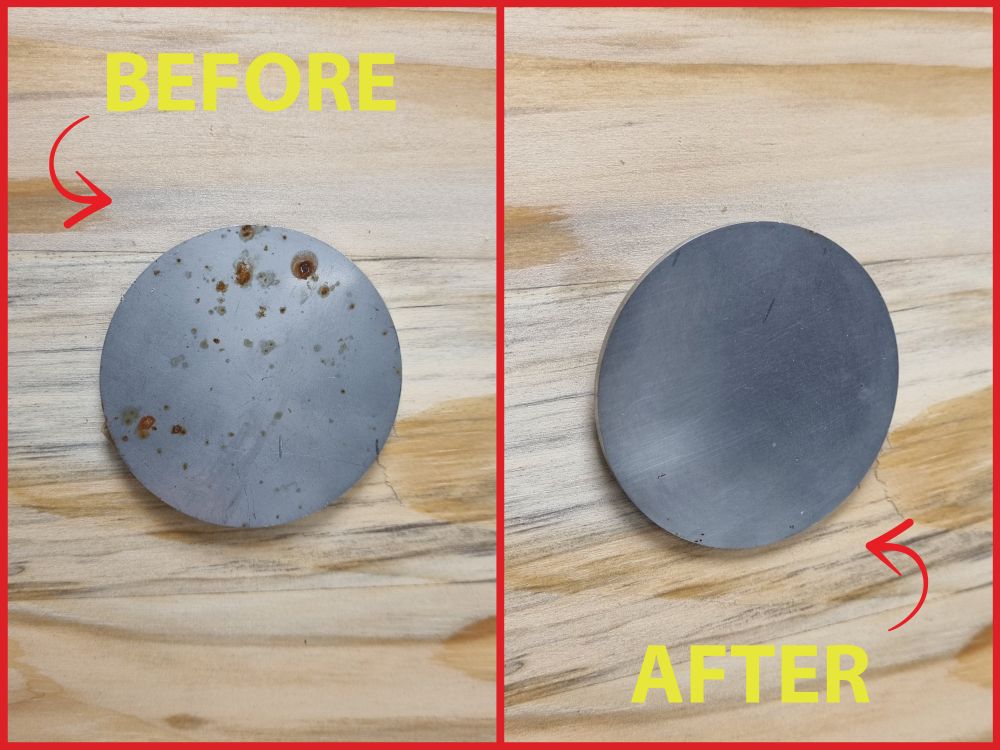
How to Remove Rust Naturally
You don’t need harsh chemicals to clean rust from stainless steel. Here’s a simple, eco-friendly method:
- Slice a lemon in half.
- Sprinkle the cut side with table salt or baking soda.
- Place it directly on the rusted spot and leave it there for about an hour.
- Remove the lemon and gently wipe the area with a sponge or cloth.
This method is gentle, effective, and safe for pool environments.
Prevention tips for long-term protection
To minimize rust formation:
- Rinse and dry stainless steel surfaces weekly.
- Clean regularly; avoid leaving disinfectant residues on stainless steel surfaces.
- Monitor chloride and disinfectant levels in pool water.
- Pay special attention to splash zones, handrail bases, and the waterline – these are the spots where the passive film is most often compromised.
By understanding the science behind rust and taking simple preventive steps, you can keep your stainless steel pool or whirlpool looking pristine for years to come.